Understanding Radon Levels in York PA: A Homeowner's Guide to Testing and Mitigation
If you own a home in York County, you have probably heard about radon. It is a natural radioactive gas that comes from the breakdown of uranium in soil and rock. Radon moves up through the ground and into buildings through cracks in the basement slab, crawl space vents, and other openings. The gas itself is invisible and odorless, so you cannot sense it without testing. That is why understanding radon levels in York PA is something every homeowner and renter should take seriously.
York sits on a geological formation that can produce elevated radon readings. The US EPA radon map places much of the county in Zone 1, meaning the average indoor radon level is predicted to be at or above the action level of 4.0 picocuries per liter. This does not mean every house has a problem, but it does mean the risk is real enough to warrant attention. I have seen homes just a few blocks apart show very different results, which tells me local geology is only part of the story. The construction of the house, how it is sealed, and even the weather on the day you test can influence the numbers.
Why Testing Matters for Your Home
The only way to know your exposure is to measure it. The Pennsylvania Department of Environmental Protection recommends that every home in the state be tested for radon, especially those in high-risk areas. A short-term radon test is a good starting point. You leave a small detector in your lowest livable area for two to seven days, then mail it to a lab. These tests are inexpensive and widely available at hardware stores or through a home radon test kit. But they do have limits. A short-term test captures conditions over just a few days. If you test during a rainy week when the ground is saturated, the readings may be higher than your yearly average. If you test in summer with windows open and fans running, the numbers may look lower than reality.
A long-term radon test gives a more accurate picture of your year-round exposure. These detectors stay in place for three months or longer, often up to a year. They smooth out seasonal swings and daily fluctuations. For a homeowner trying to decide whether to install a radon mitigation system, the long-term result is usually the better guide. I recommend doing a short-term test first to get a quick sense, then following up with a long-term one if the short-term result comes back above 2.0 pCi/L. Many people skip this step and end up making decisions based on incomplete data.
What the Numbers Mean
Radon levels in York PA vary by neighborhood, by house age, and by how the home was built. Older homes with basements that have settled over time often have more entry points for radon. Newer homes built with radon-resistant construction techniques may have a layer of gravel under the basement slab and a vapor barrier that helps block the gas. Still, no construction method is perfect. Even houses built to modern codes can show elevated levels if the soil beneath them is rich in uranium.
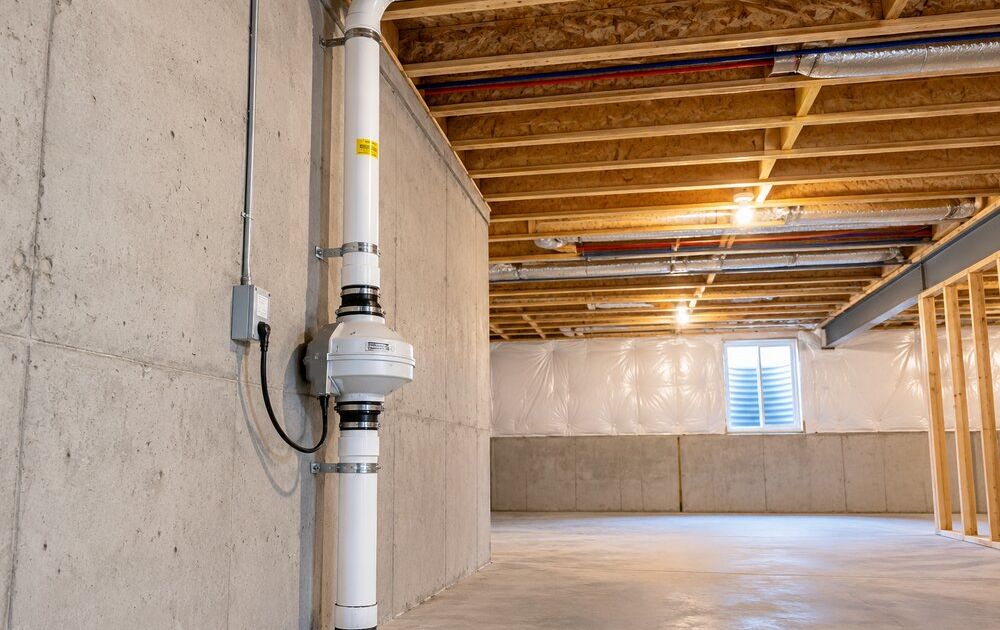
The US EPA has set a recommended action level of 4.0 pCi/L. If your test shows that level or higher, you should take steps to reduce it. The typical fix is a radon mitigation system, often using sub-slab depressurization. This method involves drilling a small hole in the basement floor, pulling soil gases from under the slab with a radon fan, and venting them safely above the roofline. The fan runs continuously, creating negative pressure under the house so radon cannot push its way inside. For homes with a crawl space instead of a basement, a similar approach can be used, often sealing the crawl space with a heavy-duty radon sealant and then venting the area under negative pressure.
Mitigation: What Works and What Doesn't
Not every high reading requires a full mitigation system, but most do. Simple fixes like sealing cracks in the basement slab with a radon sealant can help, but alone they rarely bring levels below the action threshold. Radon can seep through concrete itself, not just through visible cracks. A well-designed mitigation system addresses the whole foundation envelope. The cost of installation varies, but for most homes it falls between eight hundred and fifteen hundred dollars. That may sound steep, but compare it to the long-term health risk of breathing elevated radon. The EPA estimates that radon causes about 21,000 lung cancer deaths per year in the United States, and it is the second leading cause of that disease after smoking.
If you are buying or selling a home, radon often comes up during a real estate transaction. Many buyers ask for a radon test as part of the home inspection. Sellers sometimes install a system proactively to avoid negotiations later. In Pennsylvania, Act 37 requires that home sellers disclose any known radon test results and any mitigation systems installed. This law helps buyers make informed decisions, but it also means sellers should test before listing. A pre-listing test can reveal an issue early and give you time to fix it on your own schedule rather than under contract pressure.
Choosing a Radon Contractor
Not every contractor is qualified to install a radon mitigation system. Look for someone with radon contractor certification from the Pennsylvania Department of Environmental Protection or from a national program like the National Radon Proficiency Program. A certified contractor will know local building codes, proper fan placement, and how to avoid creating new pathways for radon. They should also be able to interpret your test results and explain what kind of system your home needs. I have seen systems installed by handymen that actually made the problem worse by pressurizing the basement instead of depressurizing it. That is why certification matters.
You can also get involved through a community outreach program. Some counties and local health departments offer free or low-cost test kits during certain times of the year. These programs are a great way to get baseline data for your home without spending much money. They also help build a local picture of radon levels in York PA over time, which can guide public health efforts and future building codes.
Ongoing Monitoring After Mitigation
Once you install a system, you should verify that it works. A follow-up short-term radon test placed in the same location as the original test will tell you if the levels have dropped. Many people keep a continuous radon monitor in their basement for peace of mind. These electronic devices show real-time readings and can alert you if levels creep back up. They are not as accurate as lab-analyzed detectors, but they are good for spotting trends. If you see a steady rise over weeks, something may have changed with your system or with the house itself.
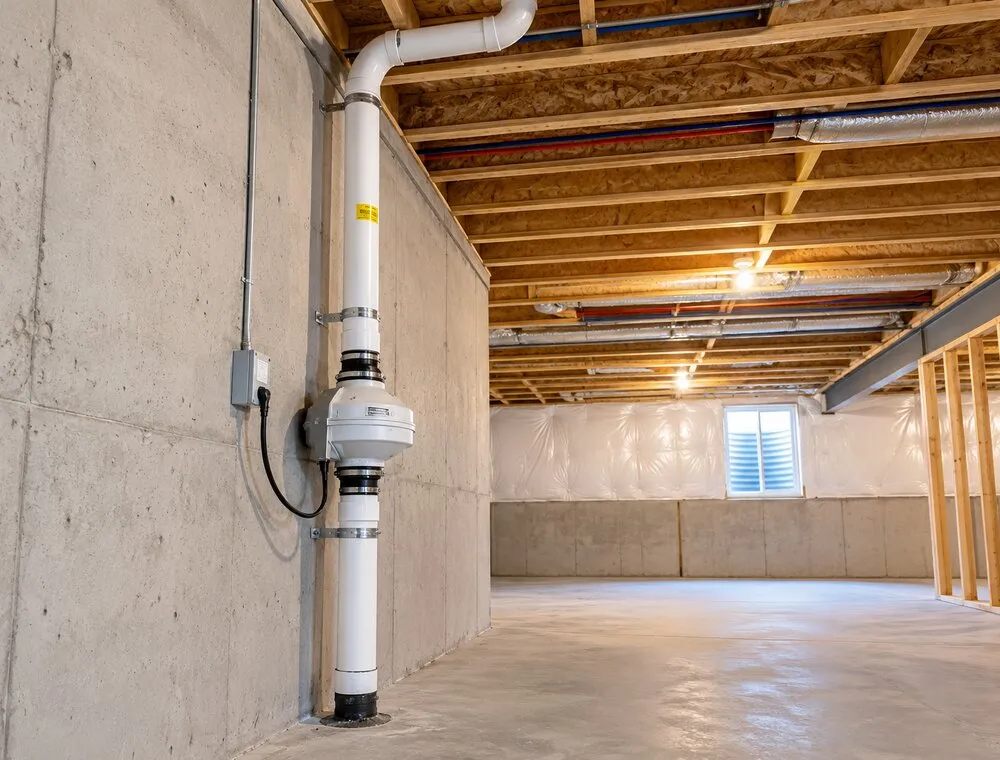
Maintenance on a mitigation system is minimal. The radon fan should run continuously. Replace it if it stops working or if it starts making noise. Check the vent pipe for blockages, and make sure the exhaust point stays clear of snow and debris. Most fans last five to ten years, and replacement is straightforward for a certified contractor.
The Bigger Picture
Pennsylvania radon data collected over decades shows that some of the highest readings in the country come from this area. That does not mean you should panic, but it does mean you should act. Testing is cheap and easy. Mitigation is a one-time investment that protects your family for years. If you are renting, your landlord is not required by state law to test for radon, but you can buy a home radon test kit yourself and share the results. Many landlords are willing to address the issue once they see the data.
Radon levels in York PA are not the same in every home, and they can change over time as the ground shifts, as new construction happens nearby, or as your own home settles. That is why the EPA recommends retesting every two years, or after any major renovation that affects the foundation. A little awareness goes a long way. The gas itself is invisible, but the tools to find it and fix it are well within reach.
Ends · RADONLEVELSYORKPAMAG